
Do Under-Eye Patches Actually Work?
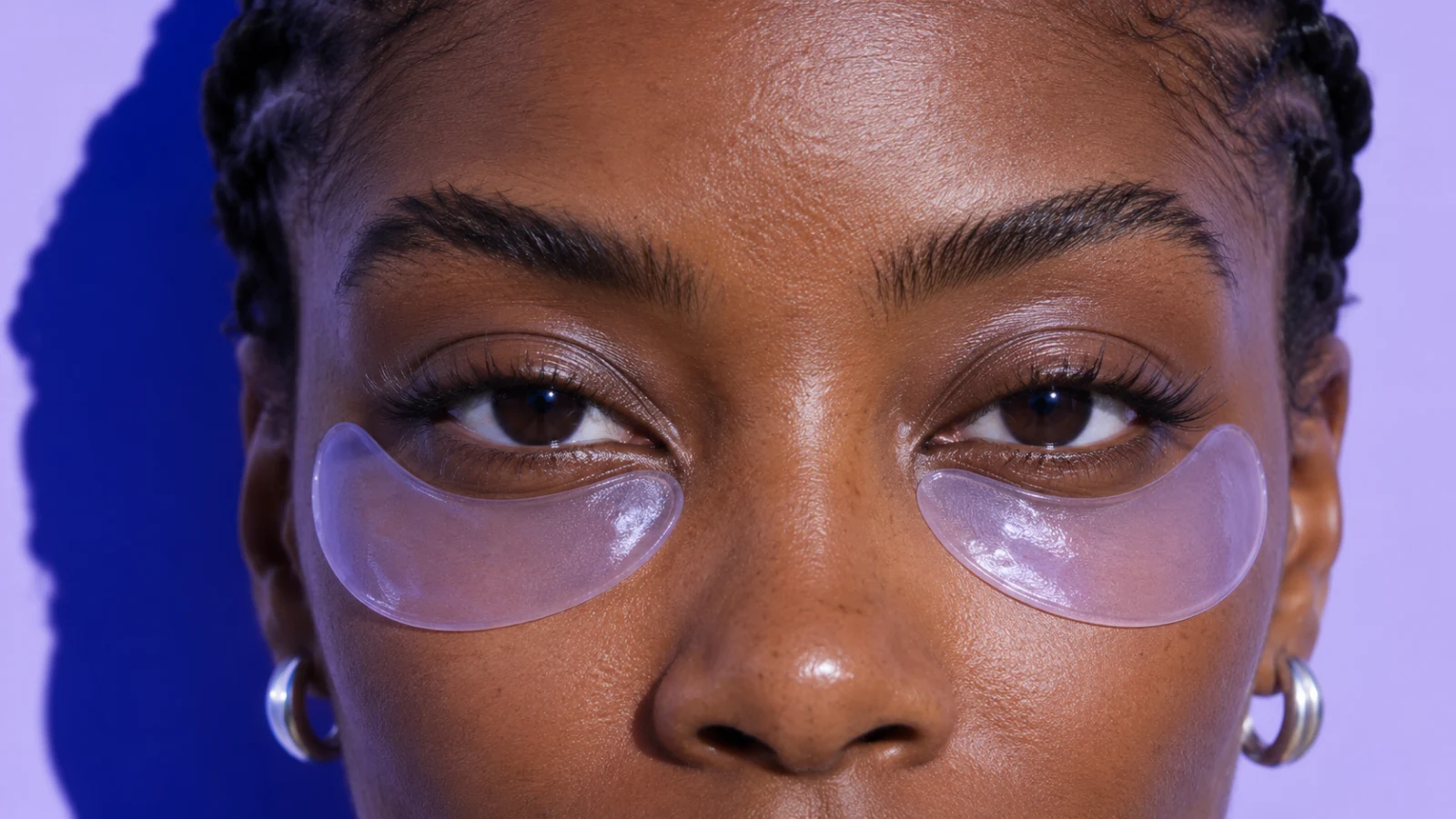
A cold under-eye patch may temporarily soften the look of mild puffiness or dry lines. But a patch is unlikely to change the brown pigment, visible blood vessels, or natural shadows that make many under-eyes look dark. What matters is what you want it to fix.
Eye patches can be fun to use, and the packaging can be part of the appeal. The more useful question is what you want them to do—and whether the evidence matches the promise.
What a hydrogel patch can do
Hydrogel patches sit against the skin and hold moisture there while you wear them. That may temporarily make dry lines less noticeable. Cooling may also soften the look of mild puffiness, particularly when you first wake up. Studies test specific formulas, so results from one gel, mask, or ingredient don’t tell us how every under-eye patch will perform. Neither effect is the same as remodeling skin or permanently reducing eye bags.
Caffeine is often the headline ingredient, but it’s hard to tell how much it adds. In a small controlled study of 34 volunteers, a 3% caffeine gel did not reduce puffiness significantly more overall than its gel base. The authors suggested cooling helped explain the improvement, but the study didn’t prove that. It tested a particular gel, not today’s hydrogel patches. Caffeine gel study
A low-cost option: A clean, cool, damp washcloth for a few minutes may help mild puffiness. Don’t press on the eye or put ice directly on the skin. Mayo Clinic: bags under eyes
Puffiness, pigment, and shadow are different problems
- Puffiness that comes and goes: Cooling may help the appearance temporarily. Fixed, prominent bags usually won’t flatten because you applied a cold patch.
- Brown discoloration: Natural pigment and discoloration after inflammation can both contribute. When the area is itchy, flaky, or irritated, adding more actives can make things worse. Look for the cause of the irritation first.
- Blue or purple tones: Thin skin and underlying blood vessels can contribute. A patch won’t remove those vessels.
- A hollow or shadow: If the darkness looks markedly different in overhead light versus soft light from the front, shadow may be part of what you’re seeing. A patch won’t fill a tear trough or change facial anatomy.
More than one of these can be present, and color alone doesn’t diagnose the cause. Clinical classification study · Review of periorbital dark circles
If you like patches, keep them simple
Use them as directed and keep them out of the eye. If your eyelids are already irritated, skip the patches. If a patch makes the area sting, itch, or turn red, take it off and stop using it. The reaction may be to an ingredient or material, so switching to a different trendy ingredient isn’t necessarily the fix. If the rash keeps coming back, our eyelid dermatitis guide explains some easily missed triggers. FDA: eye cosmetic safety
Get urgent eye assessment today for a new vision change, eye pain, or a hot, painful, swollen eyelid. If you can’t get urgent eye care, go to an emergency department. NHS: eyelid symptoms
Are they worth buying?
If you enjoy a cold patch before an event and it agrees with your skin, that’s a reasonable use. If you’re buying it to erase persistent dark circles, I’d save the money. The next useful step is to work out what’s making the area look dark, especially if irritation is also part of the picture.
If you have a recurring rash or persistent change in the skin around your eyes, you can request a dermatology appointment in Chaska.